Is Wireless Charging Safe?
What Wireless Charging Really Does to Your Battery in 2026
Wireless charging has gone mainstream. With Qi and Qi2 pads everywhere, many users drop their phones on a charger without thinking twice. But a common concern remains:
Is wireless charging bad for your battery?
The short answer: wireless charging is generally safe, but it comes with trade-offs — mainly around heat and efficiency.
This article explains how wireless charging works, when it’s safe, when it isn’t, and how to use it without shortening your battery’s lifespan.
How Wireless Charging Works (Simple Explanation)
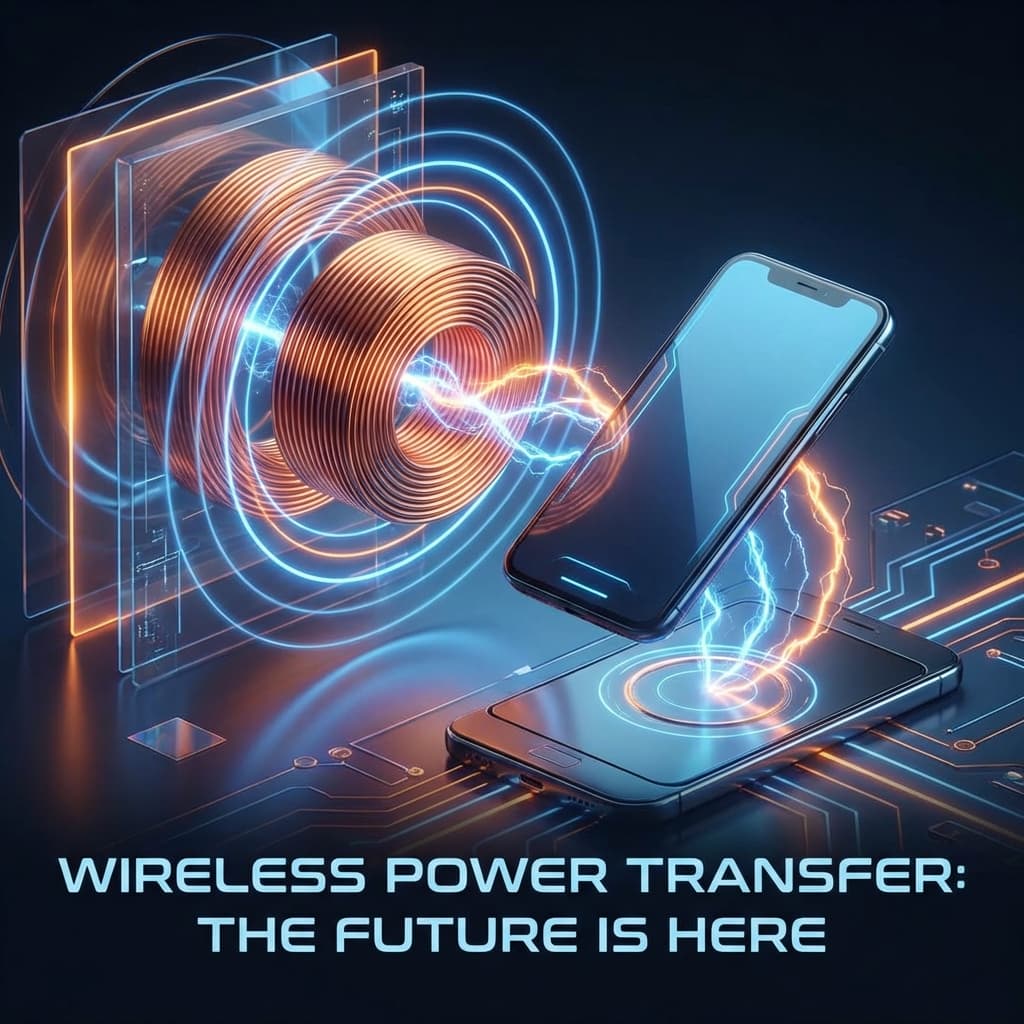
Wireless charging uses electromagnetic induction:
- The charging pad creates an electromagnetic field
- A coil inside your phone receives that energy
- The energy is converted back into electrical current
- The battery charges normally from there
No electrons jump through the air — energy is transferred through the magnetic field.
Why Wireless Charging Is Less Efficient
Wireless charging is inherently less efficient than wired charging because:
- Some energy is lost during induction
- Coil alignment isn’t always perfect
- Energy conversion creates extra heat
Efficiency differences:
- Wired charging: ~85–95%
- Wireless charging: ~60–75%
The “lost” energy becomes heat — and heat is what affects battery health.
Heat: The Main Risk of Wireless Charging
Wireless charging usually:
- Generates more heat than wired charging
- Keeps the phone warm for longer periods
- Reduces the phone’s ability to cool itself
This doesn’t mean it’s dangerous — but repeated heat exposure accelerates battery aging.
Risk increases when:
- The phone is misaligned on the pad
- Thick cases trap heat
- The charging pad has poor cooling
- The environment is already warm
- Charging lasts many hours (overnight)
Wireless Charging vs Wired Charging
| Factor | Wireless | Wired |
|---|---|---|
| Convenience | Very high | Medium |
| Efficiency | Lower | Higher |
| Heat | Higher | Lower |
| Charging speed | Slower (usually) | Faster |
| Battery wear | Slightly higher | Slightly lower |
Wireless charging trades efficiency for convenience.
Is MagSafe or Qi2 Safer?
Newer standards like Qi2 and MagSafe-style systems improve safety by:
- Using magnetic alignment
- Reducing energy loss
- Improving thermal consistency
They are safer than older generic pads, but still typically warmer than wired charging.
Common Myths About Wireless Charging
Myth: Wireless charging damages batteries faster than fast charging
Reality: Poorly cooled wireless charging can be worse, but well-designed pads are comparable to moderate wired charging.
Myth: Wireless charging overcharges the battery
Reality: The phone controls charging. Overcharging isn’t possible with modern devices.
Myth: Wireless charging is “radiation-heavy”
Reality: Qi uses low-energy electromagnetic fields well within safety limits.
Best Practices for Safe Wireless Charging
To minimize wear:
- Use certified Qi or Qi2 chargers
- Remove thick or insulating cases
- Place the phone correctly on the pad
- Avoid charging in hot rooms
- Don’t game or stream while charging
- Avoid leaving the phone on the pad for hours after 100%
- Prefer wireless charging for short top-ups, not full overnight charges
Should You Avoid Wireless Charging Completely?
No. Wireless charging is safe for everyday use, especially when:
- Used occasionally
- Combined with wired charging
- Used in cool environments
However, if battery longevity is your top priority:
- Wired charging is slightly better
- Slow overnight wired charging is gentler
Balance convenience and longevity based on your usage.
When Wireless Charging Is Not Recommended
Avoid wireless charging if:
- Your phone overheats easily
- Battery health is already low
- You use thick or metal cases
- The charging pad becomes very hot
- You notice faster-than-normal degradation
In these cases, wired charging gives better thermal control.
Conclusion: Is Wireless Charging Safe in 2026?
Yes — with caveats.
Wireless charging:
- Is safe by design
- Does not overcharge or “fry” batteries
- Can increase heat exposure if misused
Used intelligently, it won’t ruin your battery. Used carelessly, it can accelerate wear.
As always with batteries, temperature matters more than convenience.
Frequently Asked Questions (FAQ)
Is wireless charging bad for battery health?
It can increase heat exposure, which may accelerate wear, but it’s generally safe when used properly.
Is wireless charging worse than fast charging?
Not always. Wireless charging can generate more heat, but fast charging under load can be worse.
Does wireless charging reduce battery cycles?
No. Cycle count depends on energy used, not charging method.
Is it safe to leave my phone on a wireless charger overnight?
It’s usually safe, but prolonged heat exposure may increase wear over time.
Related Articles
Test Your Battery Health Now
Don't guess. Measure your real battery health with our profession-grade analytics tool.